Introduction
In today's digital age, communication is key to the success of any business. Small businesses, in particular require reliable and efficient telephone systems to keep in touch with customers, clients, and employees. Two popular options for small-sized businesses are on-premise phone systems and cloud-based phone systems. In this article, we'll look at these two kinds of phones and examine their benefits and drawbacks. By understanding the differences between on-premise and cloud-based phone systems, small business owners can make an informed decision that best suits their needs.
Comparing On-Premise and Cloud-Based Phone Systems for Small Businesses
What is an On-Premise Phone System?
An on-premise phone system, also known as a Private Branch Exchange (PBX) phone system, is a physical system that is installed at the business location. This type of system is dependent on hardware, like switches and routers. It also necessitates ongoing maintenance and updates to ensure optimal performance.
What is a Cloud-Based Phone System?
A cloud-based phone system, on the other hand, operates entirely in the cloud. Instead of relying on physical hardware this type of system uses internet connectivity to make calls. The infrastructure is hosted off-site by a third-party provider. This means that small businesses do not need to invest in costly equipment or worry about maintenance.
Key Differences between On-Premise and Cloud-Based Phone Systems
Now that we have a basic understanding of both on-premise and cloud-based phone systems let's delve deeper into their differences:
Cost: When it comes to cost, cloud-based phone systems generally have a lower upfront investment since there is no need to purchase expensive hardware. On-premise systems require initial capital expenditure for equipment installation.
Flexibility: Cloud-based phone systems offer greater flexibility as they can be accessed from anywhere with an internet connection. On-premise systems, on the other hand, are confined to the physical location of the business.
Scalability: Cloud-based phone systems are highly scalable, allowing businesses to easily add or remove users as needed. On-premise systems may require additional hardware and setup for scalability.
Maintenance: With a cloud-based phone system, all maintenance and updates are handled by the service provider. On-premise systems require in-house IT staff or outsourced support for maintenance tasks.
Reliability: Cloud-based phone systems often have built-in redundancy and backup systems to ensure uninterrupted service. On-premise systems may be more susceptible to downtime if there are any issues with the physical hardware.
Integration: Cloud-based phone systems can integrate seamlessly with other cloud-based applications and software. On-premise systems may require additional configuration to achieve the same level of integration.
Security: Both on-premise and cloud-based phone systems can be secure if proper measures are taken. However, some businesses may feel more comfortable having control over their own security measures with an on-premise system.
FAQs about Comparing On-Premise and Cloud-Based Phone Systems for Small Businesses
Q: What is a voip phone? A: A VoIP (Voice over Internet Protocol) phone uses internet connectivity to make calls instead of traditional telephone lines.
Q: What is a voip phone service? A: VoIP phone service refers to a telecommunication service that allows users to make calls over the internet using VoIP technology.
Q: What is the difference between voip telephone service and voip phones? A: VoIP telephone service refers to the actual telecommunication service provided by a VoIP provider, while VoIP phones are the physical devices used to make calls using VoIP technology.
Q: What are the benefits of using a phone system for small business? A: Using a phone system specifically designed for small businesses can improve communication, enhance customer service, and increase productivity.
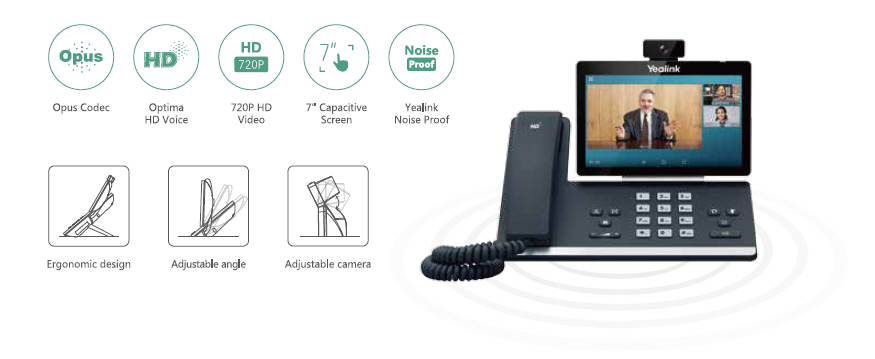
Q: What are some popular options for business phone systems? A: Popular options for business phone systems include on-premise PBX systems, cloud-based VoIP systems, and virtual phone systems.
Q: How does a cloud phone system work? A: A cloud-based phone system operates entirely in the cloud, utilizing internet connectivity to make calls. All the necessary infrastructure is hosted by a third-party provider off-site.
Conclusion
Choosing the right phone system is vital for small businesses to effectively communicate with clients, customers, and employees. When comparing cloud and on-premise phone systems, small-scale business owners can decide which one best suits their specific needs business PBX system and budget. Whether you choose to use the flexibility of a cloud-based system or the control of an on-premise solution, it is vital to have reliable communication to succeed in today's competitive market. So weigh the benefits and drawbacks outlined in this article and make an informed decision that will propel your small business forward.